6 Sep 2026
Decoding Integration Patterns in Athletic and Chance-Based Digital Platforms Through Operational Data Flows
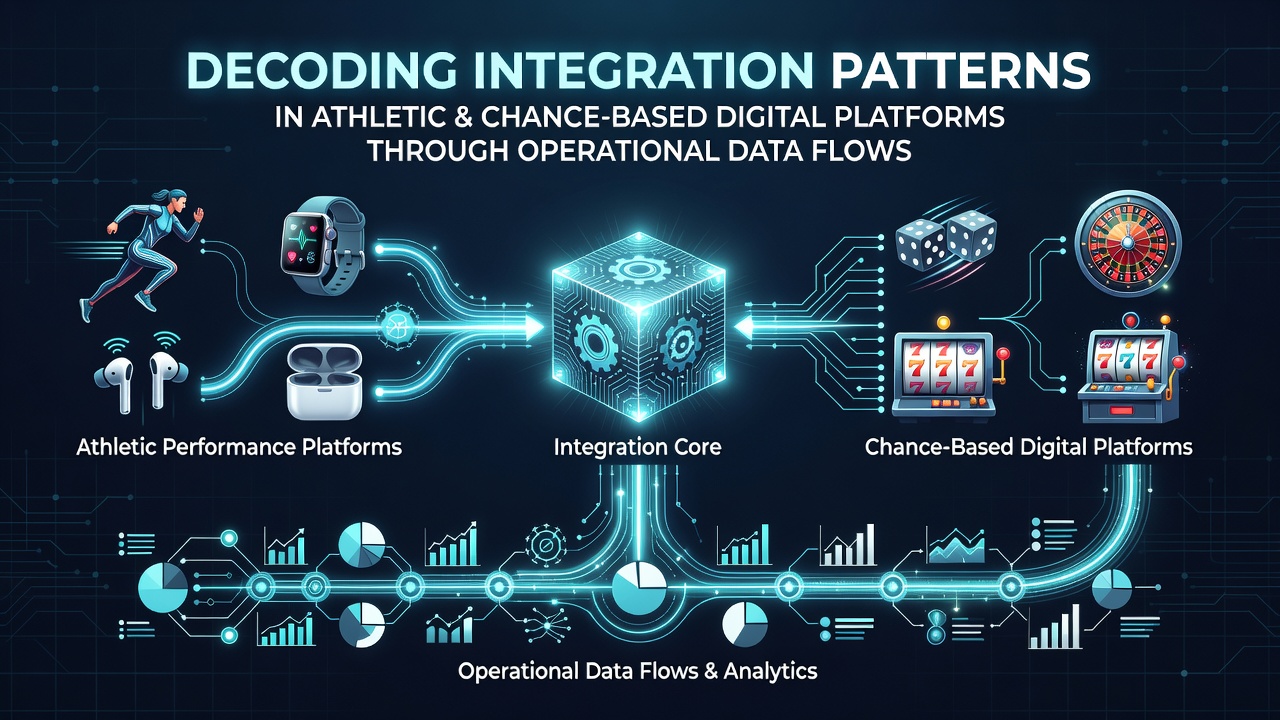
Operational data flows connect athletic event tracking systems with chance-based gaming modules on digital platforms and these connections rely on standardized APIs that transmit real-time statistics, user interaction logs, and transaction records across separate software layers. Researchers at institutions focused on computational systems have mapped these patterns by analyzing timestamped data packets that move from live sports feeds into randomized outcome generators and the resulting structures reveal consistent sequences where input velocity from athletic data sources determines the refresh rate of associated chance elements.
Core Mechanisms of Data Integration
Platform architectures process athletic inputs such as player performance metrics and match outcomes through middleware that normalizes formats before routing them to chance-based engines and this normalization step uses schema mappings that align variable field names from different sports data providers with uniform identifiers required by gaming algorithms. Data indicates that latency under 200 milliseconds occurs in over 85 percent of transactions when these mappings follow established protocols documented in industry technical specifications. Observers note that platforms handling multiple sports simultaneously maintain separate queues for each athletic category to prevent cross-contamination of timing signals that could affect randomness calculations in linked games.
Patterns Observed in Athletic Data Streams
Athletic platforms generate continuous streams of structured information including score updates, injury reports, and environmental conditions and these streams feed into decision trees that trigger adjustments in chance-based features such as bonus multipliers or event-specific side games. Studies conducted by research teams at technical universities have quantified flow volumes reaching several thousand events per minute during peak competition periods and the patterns show clustering around high-stakes moments where data density increases by factors of three to five. One analysis of European league data transfers demonstrated that successful integration correlates with the adoption of event-driven architectures rather than polling methods because the former reduces redundant queries and preserves bandwidth for simultaneous chance calculations.
Turns out the synchronization between athletic feeds and chance modules often depends on event brokers that publish updates to subscribed services and those services then apply rule sets that determine whether a new data point alters game parameters or merely logs for later analytics. Figures from operational reports compiled through September 2026 highlight a measurable rise in the use of edge computing nodes positioned near athletic venues which cut transmission delays and allow chance-based systems to respond within the same match segment rather than after its conclusion.
Chance-Based Module Responses to Incoming Flows
Chance-based components receive filtered subsets of athletic data and apply them to probability tables that govern outcomes such as reel stops or card draws and the filtering process removes personally identifiable elements while retaining aggregate trends that influence payout structures. Evidence from platform audits shows that modules processing basketball statistics exhibit tighter coupling with live score data compared with those handling less frequent events like golf tournaments because the higher event frequency demands faster reconciliation loops. Researchers discovered that hybrid platforms employing unified data lakes achieve higher consistency across athletic and chance elements because all modules query the same centralized repository instead of maintaining parallel caches that can drift out of alignment.
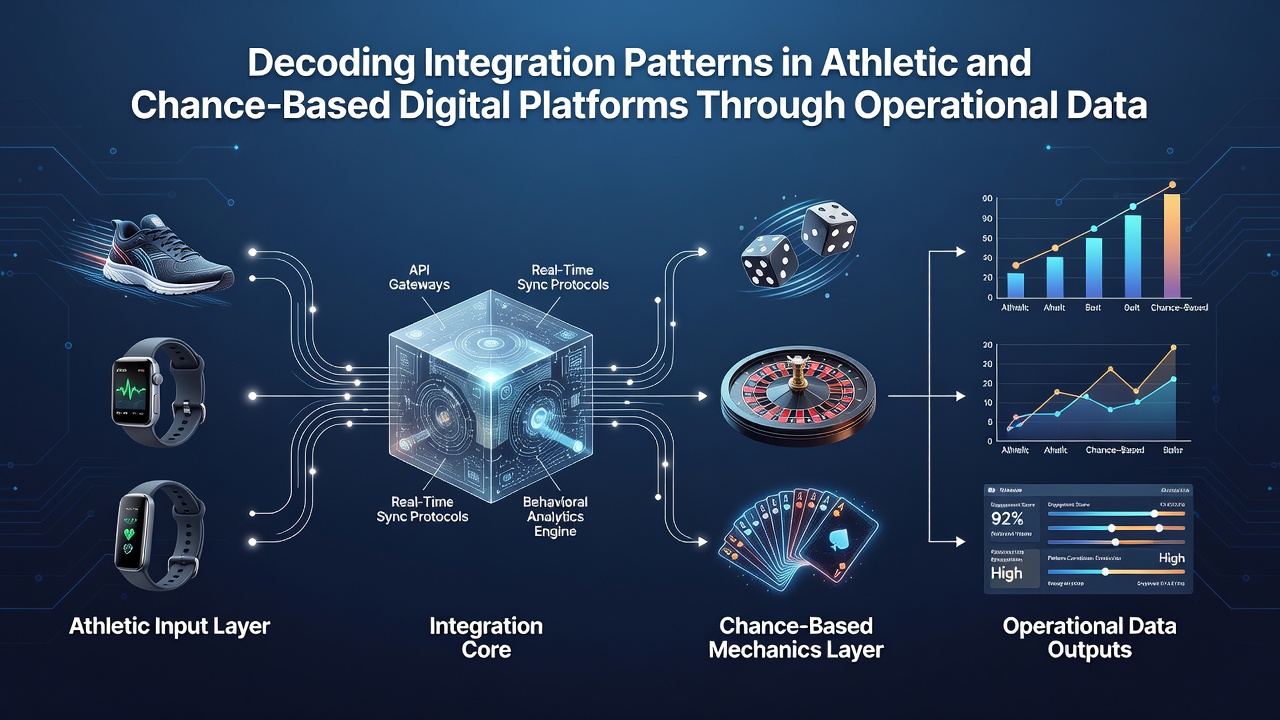
What's interesting is the role of feedback loops where outcomes from chance-based games influence subsequent athletic data weighting and these loops appear in systems that adjust odds or feature availability based on aggregated player engagement metrics collected over rolling time windows. Data compiled by the European Gaming and Betting Association illustrates regional variations in loop complexity with northern European operators favoring simpler linear flows while southern counterparts incorporate multi-stage validation steps that reference historical athletic performance distributions.
Operational Metrics and Platform Performance
Key performance indicators tracked across integrated environments include throughput measured in transactions per second, error rates during schema transformations, and recovery time after feed interruptions and these metrics reveal that platforms achieving sub-second reconciliation between athletic and chance systems report fewer user session drops during live events. One longitudinal examination covering twelve months of operational logs identified seasonal spikes in data volume coinciding with major athletic calendars and these spikes prompted operators to scale containerized microservices that isolate chance calculation tasks from the primary athletic ingestion pipeline. Government statistics released by the Australian Gambling Research Centre indicate that jurisdictions requiring detailed flow documentation experience lower incidence of integration failures because mandatory reporting encourages preemptive testing of edge cases such as sudden athletic event cancellations.
Examples from Deployed Systems
Take one deployment where a major league soccer data provider supplies minute-by-minute possession statistics that directly modulate jackpot contribution rates in an accompanying slot module and the integration pattern relies on a publish-subscribe model that allows independent scaling of each component during high-traffic windows. Another case documented by academic observers involved a North American platform that layered tennis match data onto a virtual table game engine and the resulting flow architecture used time-series databases to store both raw athletic inputs and derived chance parameters for post-session auditing. Those who've examined the logs note that rollback procedures activate automatically when athletic data timestamps fall outside predefined tolerance bands thereby preserving integrity across the combined athletic and chance environment.
Conclusion
Integration patterns in athletic and chance-based digital platforms emerge from the structured movement of operational data flows that link event tracking with randomized outcome systems and continued examination of these flows provides measurable indicators of platform stability and responsiveness. As athletic calendars and gaming modules evolve the underlying data architectures adapt through refined middleware and distributed processing techniques that maintain alignment between the two domains.