20 Sep 2026
Tracing the Development Path of Merged Wagering Systems Through Major Milestones
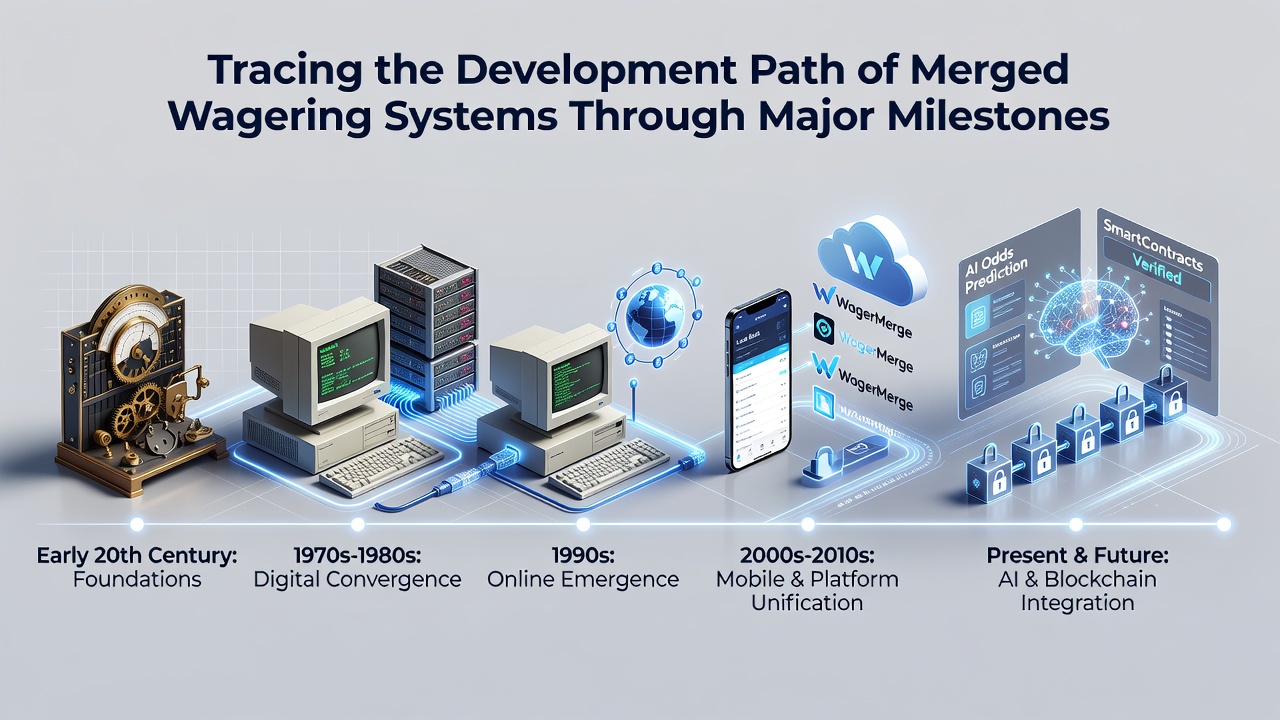
Early online platforms in the mid-1990s combined basic sports betting interfaces with simple casino games on shared servers, and this integration marked the first major milestone in merged wagering systems as operators sought to expand user engagement across multiple verticals. Researchers at institutions tracking digital commerce noted that Antigua and Barbuda's 1994 legislation opened doors for licensed operators to host both real-money sports wagers and table games within single environments, which reduced operational overhead while creating unified player accounts that carried balances between sections.
Initial Regulatory Frameworks and Platform Convergence
By the late 1990s data from the Nevada Gaming Control Board showed increasing cross-licensing applications where sports books partnered with casino software providers to share backend systems, and this convergence accelerated after the 2000 launch of several European operators that bundled football odds with slot machines under one login. Observers tracking industry reports highlighted how the 2003 expansion of broadband access enabled real-time data feeds that synchronized live sports events with instant casino bonuses, creating seamless session flows that kept users within merged environments longer than single-focus sites.
Mobile Integration and Global Expansion
The 2010s brought smartphone adoption that forced further milestones, as developers adapted merged systems for touch interfaces and push notifications that alerted players to both upcoming matches and casino promotions simultaneously. Figures from Australian regulatory filings reveal that operators in New South Wales and Victoria began rolling out combined apps around 2012, where location-based features directed users toward sports markets during events and switched them to casino sections during off-peak hours. Those who've studied transaction logs note that this period saw average session times rise because unified wallets eliminated the friction of separate deposits, while payment processors standardized across both verticals.
Regulatory shifts continued with Canada's 2021 provincial updates that permitted merged platforms under iGaming frameworks, and these changes aligned with similar moves in several US states where sports betting legalization created opportunities for casino operators to add wagering modules. Data indicates that by 2023 integrated risk management tools had become standard, allowing algorithms to monitor betting patterns across sports and casino activities within the same account for compliance purposes.
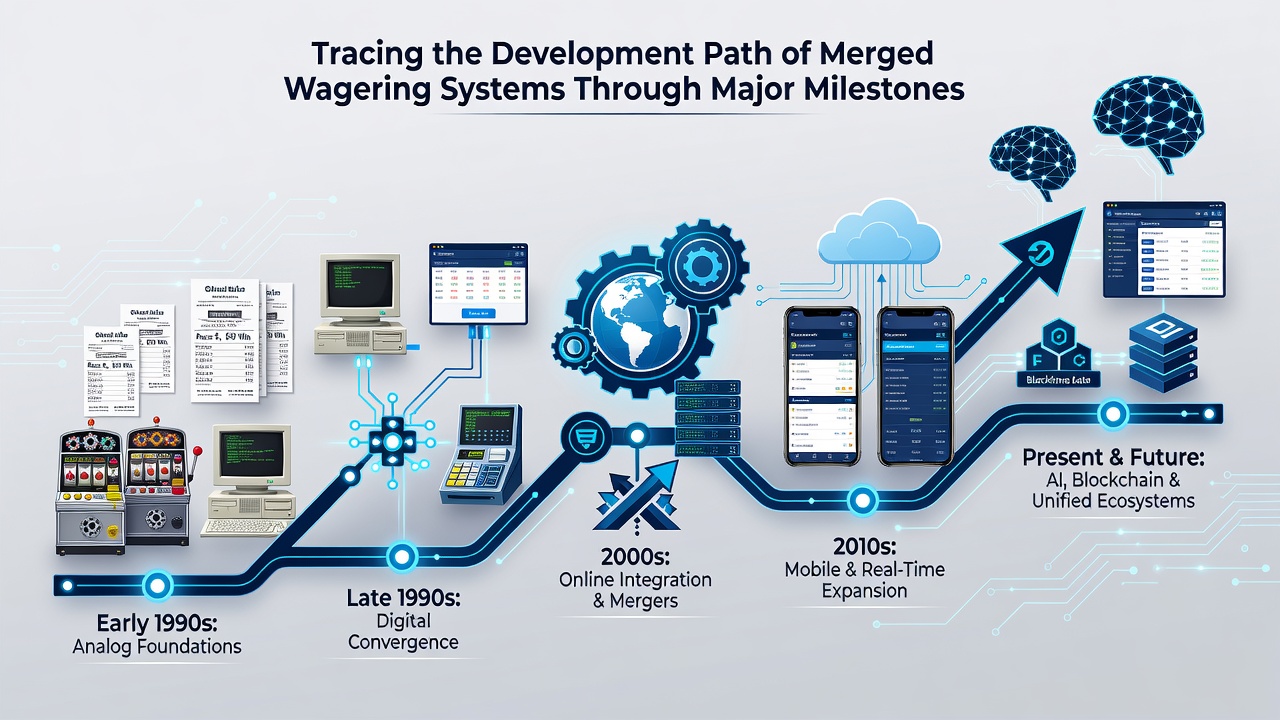
Technological Advancements in Unified Systems
Artificial intelligence modules entered merged wagering platforms around 2024, when predictive models began analyzing combined datasets from sports outcomes and casino gameplay to personalize offerings while maintaining regulatory separation between verticals. Experts tracking European market filings point out that operators adopted blockchain elements for transparent transaction histories that spanned both sports and casino ledgers, which reduced disputes and supported audit requirements across jurisdictions. What's interesting is how these tools evolved from separate applications into single dashboards that presented unified loyalty rewards earned through either activity type.
September 2026 marks the scheduled implementation of updated multi-jurisdictional standards under the European Gaming and Betting Association framework, where merged systems must demonstrate enhanced player segregation protocols between sports and casino functions to maintain licenses. Research indicates this milestone follows earlier pilots in Malta and Gibraltar that tested cross-vertical responsible gaming alerts, and those pilots produced datasets showing reduced problem gambling indicators when unified monitoring replaced siloed approaches.
Key Infrastructure Milestones and Data Flows
Payment integration reached another milestone in 2018 when several processors began supporting instant transfers between sports winnings and casino balances without additional verification steps, and this development stemmed from revised rules issued by financial oversight bodies in multiple regions. Case studies from operators reveal that such changes lowered abandonment rates during transitions, because users no longer encountered separate banking portals for each vertical. Academic papers from institutions examining digital marketplaces document how API standardization allowed third-party sports data providers to feed directly into casino bonus engines, creating dynamic promotions tied to live events.
Cloud infrastructure upgrades around 2022 enabled scalable merged platforms that handled simultaneous high-volume sports betting during major tournaments and steady casino traffic, while maintaining separate RNG certifications for games of chance. Those monitoring server logs note that redundancy measures became critical as downtime in one vertical could affect the other when shared databases powered both sections.
Conclusion
The development path of merged wagering systems reflects successive milestones driven by regulatory changes, technological capabilities, and market demands for integrated experiences. From 1990s licensing experiments through 2026's upcoming multi-jurisdictional standards, each phase built upon shared infrastructure that linked sports and casino elements while preserving distinct compliance requirements. Data from varied regulatory sources continues to shape how these systems evolve, with ongoing emphasis on unified yet segregated operations across regions.